
Immune-Boosting Fruits: What to Eat and How Much in Singapore
The best fruits for immune support are the ones rich in vitamin C: oranges, kiwifruit, papaya, guava, mango and strawberries. Eat them whole, every day, as part of the 2 servings of fruit Singapore’s Health Promotion Board recommends. No single fruit works like a switch for your immune system, but a steady habit of colorful, fresh fruit gives your body the nutrients it uses to keep normal defenses running. Below you will find which fruits to pick, what the research on kiwifruit actually shows, how big a serving is, and how to make the habit easy for a busy household.
TL;DR
- Oranges, kiwifruit, papaya, guava, mango and strawberries are named by Singapore’s HPB as good sources of vitamin C.
- Aim for 2 servings of fruit and 2 servings of vegetables a day. One serving is roughly one small orange or apple, or a 130 g wedge of papaya.
- Small trials on gold kiwifruit link regular eating with better vitamin C status and milder cold-type symptoms in the groups studied.
- Choose whole fruit over juice: the fiber is part of the benefit, and juice can spike blood sugar.
- Fruit supports a balanced diet. It does not replace medical care, so see a doctor for persistent or severe symptoms.
Table of Contents
- What “immune boosting” really means for fruit
- The fruits worth putting in your basket
- How much fruit is enough?
- Whole fruit beats juice
- Making it easy: fruit for busy people and families
- Our perspective
- Get a steady supply of fruit delivered
- Picking fruit at its best in Singapore
- A note on who needs extra care
- FAQ
- Sources
What “immune boosting” really means for fruit
Your immune system is not something you switch up like a volume dial. It is a network of cells, tissues and signals that works best when it has the raw materials it needs. Fruit contributes several of them: vitamin C, other antioxidants, fiber and water.

According to Singapore’s Health Promotion Board, antioxidants in fruits and vegetables help protect the body from harmful free radicals, and the fiber in them supports beneficial gut bacteria and strong immunity. That is the realistic role of fruit: it keeps the foundations in good shape, day after day.
So the useful question is not “which one fruit will make me immune?” but “which fruits can I enjoy every day, in enough variety, without effort?” The rest of this guide answers that.
The fruits worth putting in your basket
The HPB lists oranges, kiwifruit, papaya, guava, mango and strawberries as good sources of vitamin C. All of them are easy to find in Singapore, and most are good year-round. Here is how each one fits into real life.
| Fruit | Why it earns a place | Easy way to eat it |
|---|---|---|
| Oranges and mandarins | Classic vitamin C source, portable, naturally sweet | Peel and eat as a mid-afternoon snack |
| Kiwifruit (green or gold) | Vitamin C source with human trials behind it | Halve and scoop with a spoon |
| Guava | Named by HPB as a vitamin C source; crunchy and filling | Slice and eat with the skin on, or chilled |
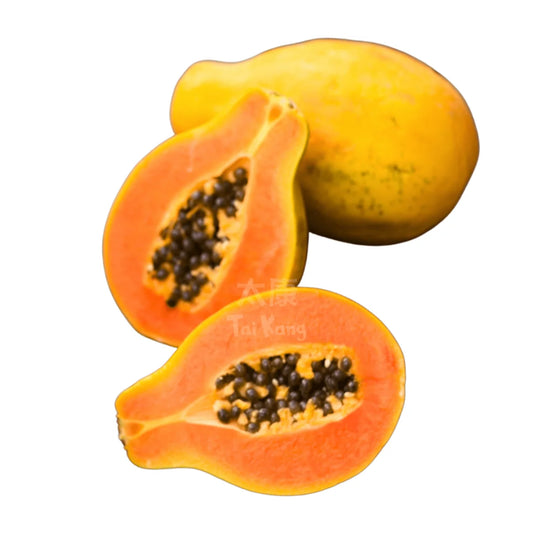
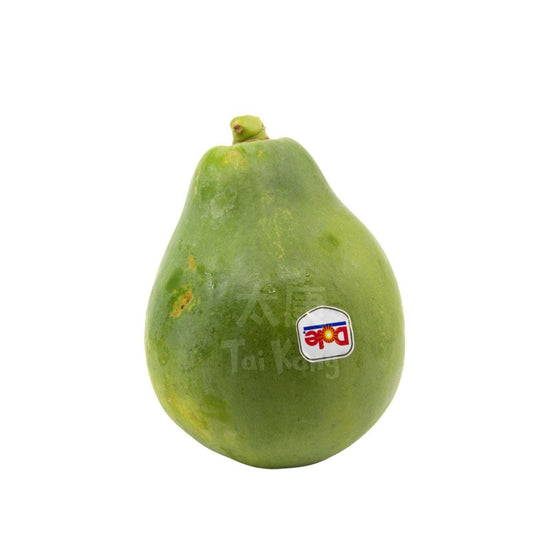
| Papaya | Vitamin C source, soft and easy for all ages | A wedge with breakfast |
| Mango | Vitamin C source, a family favorite | Cubes over plain yogurt or oats |
| Strawberries | Vitamin C source, no prep beyond rinsing | A bowl after dinner |
Oranges and other citrus
Oranges are the fruit most people think of first, and for good reason. The FAO’s East Asia food composition table gives raw sweet orange 43 mg of vitamin C per 100 g of edible portion, alongside 40 kcal and 9.9 g of carbohydrate. That table dates from 1972, so treat the figure as a reference point: modern fruit varies by variety, ripeness and storage.
Mandarins and tangerines are the same family (Citrus reticulata in the FAO table) and are even easier to pack for school or the office.
Kiwifruit: the one with human trials
Kiwifruit is the fruit with some of the most interesting research behind it.
In a New Zealand study of 14 young men with low vitamin C status, two SunGold kiwifruit a day for four weeks raised neutrophil chemotaxis by 20%. Neutrophils are white blood cells that travel to sites of infection, so this is a marker of how well one part of the immune response moves into action.
A separate trial in the British Journal of Nutrition studied healthy older adults. Regular gold kiwifruit eating raised plasma vitamin C and reduced the severity and duration of sore throat and head congestion linked to upper respiratory tract infections.
These were small, specific groups, so they do not promise the same result for everyone. They do show that a daily, practical amount of one fruit can move measurable markers. If you want to try the habit, our Zespri Golden Kiwi is a natural place to start.

Guava, papaya and mango: the local tropical trio
These three are all on the HPB’s vitamin C list, and all are familiar from hawker-centre fruit stalls and family fridges. Guava is crisp and low-fuss. Papaya is gentle and works well at breakfast. Mango is the one children ask for by name.
If you want a closer look at how these stack up, our guide One Guava or Two Kiwis: Vitamin C Fruits for Singapore Shoppers goes through portions and picks.
Strawberries and other berries
Strawberries are also on the HPB’s vitamin C list. They need no peeling or cutting, which is exactly why they get eaten. A mixed berry bowl is one of the simplest ways to add color, and color is a decent shorthand for variety in the nutrients you are getting.
How much fruit is enough?
The HPB encourages everyone to eat 2 servings of fruit and 2 servings of vegetables daily. That is the target to build around, rather than chasing a single “superfruit”.
The HPB also spells out what one serving looks like:
- 1 small apple, orange, pear or mango (130 g)
- 1 wedge of pineapple, papaya or watermelon (130 g)
- 10 grapes or longans (50 g)
- 1 medium banana
- 1/4 cup of dried fruit (40 g)
Those portions come from the HPB’s fruit and vegetable guidance. Two servings is less than most people fear: for example, a small orange at breakfast and a wedge of papaya in the afternoon.
A sample day that counts
- Breakfast: A small orange, peeled, with your usual cereal or toast.
- Afternoon snack: Two kiwifruit, or a handful of strawberries.
- Dinner: A wedge of papaya or a few guava slices as dessert.
That is well over the fruit target, from fruits on the HPB’s vitamin C list, with almost no cooking. Rotate the choices through the week so you are not eating the same thing every day.
Whole fruit beats juice
It is tempting to squeeze a glass of orange juice and call it done. The HPB advises against that as a habit: it recommends eating whole fruit instead of drinking fruit juice, because juice can spike blood sugar, while whole fruit with pulp and skin is high in fiber that slows sugar absorption.
For children, the HPB’s preschool guidelines say that if freshly squeezed juice is served, it should be mixed with 1 part water or ice to 2 parts juice. Whole fruit, sliced into manageable pieces, is still the simpler choice. We cover portions in more detail in our guide to juice amounts and why whole fruit wins.
If you are managing blood sugar, our page on 15 gram fruit servings and low sugar pairings will help you plan portions. If certain fruits upset your stomach, see our low FODMAP fruit guide.
Making it easy: fruit for busy people and families
The best immune-supporting fruit is the one that actually gets eaten. The HPB’s own suggestions are modest: add fruit to breakfast cereal, serve it with meals, or keep a banana or grapes as a snack. A few habits make that automatic.
- Put fruit where you will see it. A bowl on the counter beats a drawer in the fridge.
- Pair fruit with something you already eat. Mango cubes on plain yogurt, strawberries on oats, papaya next to eggs.
- Prep once. Peel mandarins or slice guava into a container at the start of the day.
- Let children choose. Give them two or three options and let them pick. Kids eat what they feel they selected.
- Keep the supply steady. Running out of fruit midweek is the most common reason the habit fades.
That last point is where delivery helps. When fruit arrives at your door, inspected and ready to eat, you remove the shopping trip that tends to be skipped.
Fruit in the office
If you manage a team, a shared fruit bowl is one of the easiest wellness gestures to run. It replaces vending-machine snacks with something fresh and reaches everyone, not just the people who join a wellness challenge. For recurring orders, see our notes on planning corporate bulk orders for events.
Our perspective
At Tai Kang, we think about immune support the way a good household cook does: consistency matters more than any single ingredient. A kiwifruit one day and nothing for a week will not do much. A bowl of varied, ripe fruit every day is a habit that adds up.
That is why we put so much effort into what happens before the fruit reaches you. Every item is hand-inspected, and we store fruit in temperature-controlled conditions so it arrives fresh and full of flavor. Fruit that tastes good gets eaten, and fruit that gets eaten is the only kind that helps anyone.
We also see the same pattern in the families and offices we serve: people do not fail to eat fruit because they dislike it, they fail because the shopping and the planning get in the way. Subscription delivery, gift boxes and corporate orders exist to take that friction away, so that two servings a day becomes the easy default.
Our advice is simple. Pick from the vitamin C fruits the HPB names, rotate them through the week, choose whole fruit over juice, and keep a steady supply at home or at work.
Tai Kang
Get a steady supply of fruit delivered
We sell premium fresh fruit with home delivery across Singapore, including many of the vitamin C fruits above. Our fruit is inspected by hand and kept in temperature-controlled storage until it ships, and our customers have rated us 4.85 stars across 46 reviews.
If you would rather not reorder every week, our bi-weekly fruit delivery subscription plan keeps the bowl full. For a single order, browse the full range on our fruit delivery store, where you will also find fruit gift boxes, gift hampers and corporate options.

Not sure how much to order? Our guide to choosing a fruit box size by servings helps you match a box to your household. We also run a rewards program for repeat customers.
Picking fruit at its best in Singapore
Flavor and nutrition both depend on freshness, so a few practical checks are worth the effort.
- Smell the stem end. Ripe mango, papaya and guava have a sweet fragrance. No smell often means underripe.
- Feel for weight. Citrus that feels heavy for its size is usually juicier.
- Check for firm, unbroken skin. Soft patches or leaks mean the fruit is past its best.
- Match ripeness to when you will eat it. Firm kiwifruit ripens on the counter in a few days. Ripe strawberries should be eaten soon.
- Eat with the season when you can. Our seasonal fruit guide for Singapore shows what is at its peak.
Store ripe, cut fruit in the fridge and wash whole fruit just before eating. Rinse berries under running water, and wash citrus and melons before cutting so nothing on the surface is carried in by the knife.
A note on who needs extra care
Fruit is a healthy habit for most people, and a few situations call for tailored advice:
- Diabetes or blood sugar concerns: Portion size and pairing matter. Speak with your doctor or a dietitian, and use the HPB’s guidance on whole fruit over juice as your starting point.
- Digestive conditions such as IBS: Some fruits ferment more than others in the gut. A dietitian can help you test what works for you.
- Allergies: If you or your child react to a fruit, with itching, swelling or breathing trouble, stop eating it and see a doctor.
- Frequent or severe infections: Diet is only one factor. A doctor can look at the full picture.
- Pregnancy and postpartum: The HPB’s postpartum nutrition page covers fruit choices, including neutral-natured fruits such as apples, papaya, guava, strawberries and kiwi that are recommended in Traditional Chinese Medicine practice. Ask your doctor or midwife what suits you.
FAQ
What is the best fruit for the immune system?
There is no single best fruit. The HPB names oranges, kiwifruit, papaya, guava, mango and strawberries as good vitamin C sources, so pick from that list and rotate through the week. Kiwifruit has the most human trial data in the research we reviewed, though in small groups.
How many servings of fruit should I eat every day?
The HPB recommends 2 servings of fruit and 2 servings of vegetables a day. One serving is about one small orange, apple or pear, or a 130 g wedge of papaya. Most people can reach this with one piece at breakfast and one in the afternoon.
Is fruit juice as good as whole fruit for immunity?
Whole fruit is the better choice. The HPB advises against relying on juice because it can spike blood sugar, while whole fruit with pulp and skin has fiber that slows sugar absorption. If you do serve fresh juice to children, the HPB’s preschool guidance is to dilute it with 1 part water or ice to 2 parts juice.
Can fruit prevent colds?
Fruit supports the nutrition your body uses for normal immune function, but it is not a cure or a guarantee. The kiwifruit trials showed milder and shorter sore throat and congestion symptoms in healthy older adults, not complete protection. If symptoms are severe or last, see a doctor.
How can I get my children to eat more immune-friendly fruit?
Offer a choice of two or three fruits, cut into easy pieces, and serve them with meals or as a snack. The HPB suggests fruit with cereal at breakfast or a banana or grapes as a snack. Keep a steady supply at home so the option is always there.
Sources
- Postpartum Nutrition – Your Road To Recovery, HealthHub (Health Promotion Board)
- Harness the Goodness of Fruit and Vegetables, HealthHub
- Healthy eating, Diabetes Hub, HealthHub
- Healthy Meals in Preschools Programme recommendations, HealthHub
- Enhanced Human Neutrophil Vitamin C Status, Chemotaxis and Oxidant Generation Following Dietary Supplementation with Vitamin C-Rich SunGold Kiwifruit
- Consumption of gold kiwifruit reduces severity and duration of selected upper respiratory tract infection symptoms, British Journal of Nutrition
- Food Composition Table for Use in East Asia, FAO