
Travel Snack Fruits: What to Pack and What to Skip
The best fruits for travel are the ones with a firm body and a skin that protects them: apples, pears, oranges, mandarins, grapes and kiwis. They survive a bag, need no cooler and need no knife. Bananas and berries can work on short trips if you pack them with care. Cut melon and pre-sliced fruit are the ones to leave at home.
This guide is for anyone in Singapore packing portable fruit snacks for a flight out of Changi, a drive up to Johor or Malaysia, a hike, or a long day of meetings. It covers which fruits hold up, how to pack them, how to build a kit that keeps you full, and what the rules say when you want to bring fruit back into Singapore.
TL;DR
- Choose whole, thick-skinned or firm fruit: apples, pears, citrus, grapes and kiwis travel best. Eat bananas early in the trip.
- Skip cut fruit unless you have a cold bag. Peeled or cut fruit should go back in the fridge within two hours.
- Pair fruit with a little protein, such as nuts or nut butter, so a snack actually holds you until the next meal.
- Fruit can be brought into Singapore only in a small, hand-carry quantity for your own use, so check the SFA page before you buy abroad.
- Pack the fruit in the morning, wash it first, and keep soft fruit on top of the bag.
Table of Contents
- What makes a fruit good for travel
- The fruits that travel best
- Why you should skip cut melon
- How to pack fruit so it arrives in one piece
- Build a snack kit, not a single snack
- Bringing fruit back to Singapore
- Our perspective: freshness starts before the trip
- Order travel-ready fruit in Singapore
- Buying fruit for a team trip or an event
- Choosing fruit by season
- What to do if fruit arrives damaged
- FAQ
- Sources
What makes a fruit good for travel
A snack can be healthy at home and still be a poor travel companion. Fresh berries are lovely, but they bruise. Yogurt is filling, but it needs a cooler. Amarancho’s guide to travel-friendly snacks makes this point well, and it is a useful way to judge any fruit.
Four questions sort the good from the bad:
- Does it have its own packaging? A thick skin or a peel you remove yourself keeps the flesh clean until you eat it.
- Does it survive pressure? Bags get squashed under seats and in overhead lockers. Firm flesh takes it. Soft flesh does not.
- Does it need a fridge? In Singapore’s heat, anything that must stay cold is a gamble on a long day out.
- Can you eat it without a knife, a plate or a sink? If you need all three, it is a dessert and not a travel snack.
The fruits that travel best
Here is a practical ranking, from the hardiest to the most delicate. For the hardiest group, a Canadian diabetes care guide to travel snacks lists apples, pears and citrus, and notes that most whole fresh fruit can be stowed safely in a bag for a good while.
| Fruit | How well it travels | Packing tip |
|---|---|---|
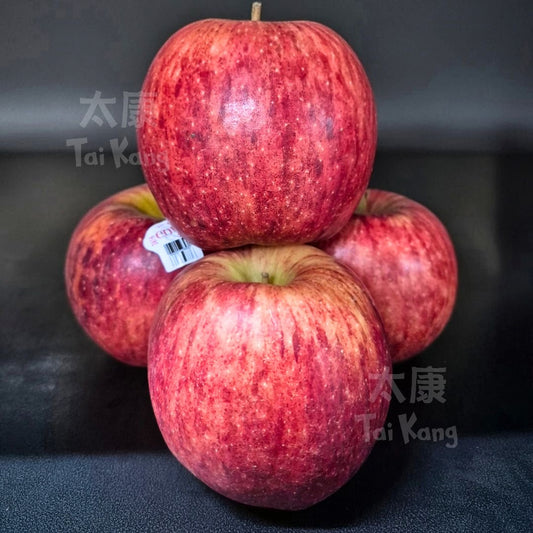
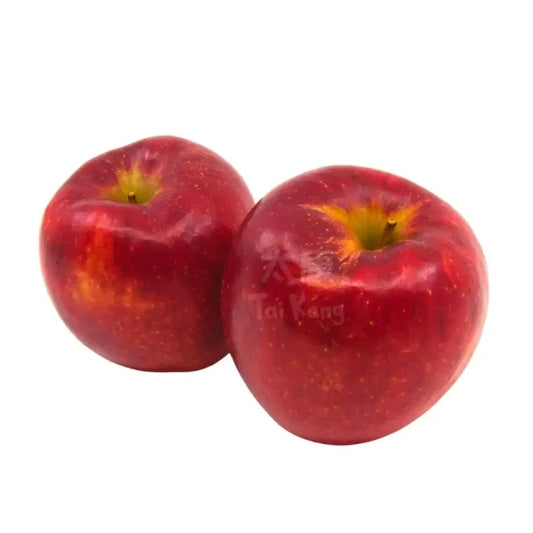
| Apples | Excellent. Keeps for days in a bag | Wash before leaving, pack in the middle of the bag |
| Pears (firm) | Very good, as long as they are not ripe | Choose firm ones and wrap each in a cloth or paper towel |
| Oranges and mandarins | Excellent. The peel is built-in protection | Pre-loosen the peel for easy eating, but do not peel until you eat |
| Grapes | Very good, easy to eat one-handed | Remove from the big bunch into a small hard container |
| Kiwis | Good, if firm | Carry a spoon, or eat like an apple after rinsing |
| Bananas | Fair. Best eaten the same day | Pack on top of the bag, or in a rigid banana guard |
| Berries | Poor for long trips | Only for short drives, in a hard container, never at the bottom |
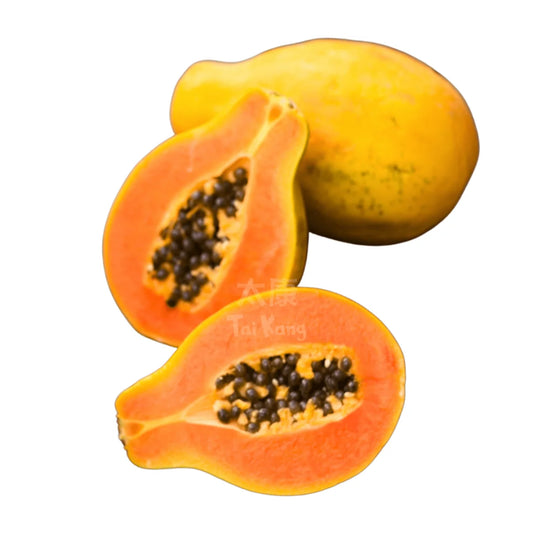
| Cut melon, pineapple, papaya | Not recommended | Leave at home unless you have a cold bag and eat within two hours |
As a rule, apples, pears and citrus can last at room temperature for a week or more, while bananas are best eaten within a very short window. That gives you a simple plan for a multi-day trip: eat the soft things first and keep the hardy ones for the last days.
Why grapes deserve a place in the bag
Grapes are the unsung portable fruit snack. Each one is a single bite, they need no peeling, and they are easy to share in a car with children in the back seat. The only risk is the stem end, which can leak if the fruit is crushed, so a small hard container does more good than a bag.
If you want a crisp, sweet seedless option, our USA Sweet Globe Seedless Green Grapes are a typical example of a fruit you can wash, dry and drop straight into a lunch box.

Citrus for flights and hot days
Mandarins and oranges are the classic long-haul fruit. The peel keeps the flesh clean, and the juice is refreshing in dry cabin air. Peel them on arrival at your gate, not in the car park, and keep the peel in a small bag so nothing sticks to your hands in the seat.

Bananas: yes, with conditions
Bananas are the most convenient fruit in the world and one of the easiest to ruin. They bruise at the slightest knock and turn soft in a warm bag. If you want one on a trip, buy it slightly green, put it on top, and plan to eat it that morning. For anything longer, choose an apple.
Why you should skip cut melon
It is tempting to pack a tub of sliced watermelon or cantaloupe, because it looks like the healthiest and easiest snack in the world. For travel, it is the one to skip.
Whole fruit has its own skin as protection. Once it is cut, that is gone. The Singapore Food Agency’s guidelines on handling raw vegetables and fruits cover washing, removing bruised areas and keeping cut produce cold. The same agency has a separate page on melons and foodborne outbreaks, explaining why cantaloupe, watermelon and honeydew carry a particular risk.
The practical rule is easy to remember. If you cut or peel fruit, keep it below 5°C and eat it, or refrigerate it again, within two hours. A hot tour bus, a car boot or a hiking bag cannot offer that. So take the fruit whole and cut it only when you are about to eat it, with a clean knife and a clean board.

We have written a fuller walk-through of this in fruits that travel well for flights, drives and hikes, including which fruits to pick for each type of trip.
How to pack fruit so it arrives in one piece
Good fruit gets bruised by bad packing far more often than by bad luck. A few habits make the difference.
- Wash and dry the night before. Scrub firm-skinned fruit like apples under running water, then dry it fully. Wet fruit in a closed bag turns mouldy quickly.
- Remove any bruised fruit before you leave. One soft spot spreads. SFA guidance says to cut away bruised areas, and on a trip it is simpler to leave that fruit at home.
- Pack in layers. Hard fruit sits at the bottom or the middle, soft fruit on top. Never put a banana under an apple.
- Use a container with a rigid shell. A lunch box protects grapes and cherry tomatoes much better than a plastic bag.
- Separate fruit from raw meat in any shared cooler. This avoids cross-contamination, and it is one of the simplest food safety rules.
- Keep the bag out of the sun. The inside of a car in Singapore gets hot quickly, so do not leave your snack bag on the back seat.
We go into more depth on the same idea in our guide to how to store fresh fruits and keep them at their best, which is worth reading before a long trip so your fruit is in good shape before you even leave.
Build a snack kit, not a single snack
Fruit on its own is a light snack. It is hydrating and sweet, but it does not hold you for long. Nutritionists quoted by Good Housekeeping suggest that an ideal travel snack combines fiber and protein, aiming for roughly 4 g of each. Pairing fruit with a shelf-stable protein like nuts or nut butter gets you there.
The VA’s guide to travel snacks also recommends building a kit in advance instead of grabbing whatever is at the last stop, because the snacks that cause trouble are usually heavy in added sugar, sodium and preservatives. If you want more ideas for building a balanced kit, this list of healthy snack ideas is a good place to start.
Here are three kits that work for different trips.
The flight kit
- 2 mandarins or 1 apple
- A small handful of unsalted nuts in a sealed pouch
- A few grapes in a hard box
- A refillable water bottle, filled after security
Keep creamy dips and spreads in mind: if they count as a liquid or gel, they fall under the airport’s liquid rules, so check the limits for your departure airport before you pack them in hand luggage.
The road trip kit
- Apples and pears, whole
- Grapes in a lidded container
- Baby carrots or cherry tomatoes
- Unsweetened dried fruit and nuts for the long stretches
- A small cool bag if the drive is longer than two hours
On dried fruit: it is compact and keeps well, but check the label. Many packs have added sugar, and the point of a travel snack is steady energy. Unsweetened is the better choice.
The hike kit
- 1 apple or firm pear for the first half
- 1 mandarin for the summit
- Dried fruit and nuts for the middle
- Plenty of water, since fruit is no substitute
Keep it light and keep the fruit whole. Anything juicy and cut will be sticky, warm and unappealing by the time you reach the top.
Bringing fruit back to Singapore
This is the part many travellers get wrong. If you buy fruit abroad, you cannot simply carry as much as you like back through Changi or the land checkpoints.
The Singapore Food Agency’s list of food and food products allowed says travellers can bring in fruits and vegetables from any country, in a small, reasonable, hand-carry quantity for private consumption. The 5 kg and S$100 limits on that page apply to processed food, not to fresh fruit. The list is reviewed from time to time, so check it before you travel.
A few habits keep you out of trouble:
- Carry only what you will eat yourself. Fruit is for private consumption, not for gifts or resale.
- Declare it when in doubt. It is always better to ask than to be caught with a surprise.
- Remember that rules differ by country. Many other countries restrict fresh produce at their own borders, so check the rules of your destination before you pack fruit for the outbound flight.
A related note for visitors: fruit that has fallen in a Singapore park is not free to take. Trees on state land and their fruit belong to the state, and NParks manages most of them. If you are leaving a hike with a bag, make sure the fruit in it came from a shop.
Our perspective: freshness starts before the trip
A travel snack is only as good as the fruit you start with. After years of handling fruit for Singapore homes and offices, we have found that most disappointing travel fruit was already tired before it went into the bag. A pear that is ripe on Monday morning is mush by Monday afternoon, and an apple with a hidden bruise will spoil the whole bag.
That is why we inspect every piece of fruit by hand and keep it in temperature-controlled storage until it is packed for delivery. For travel, we suggest ordering a day or two ahead and choosing firm fruit, so it is at its best on the day you leave. If you choose firm pears, crisp apples and citrus, you will have fruit that works with a bag, not against it.
Our advice for a stress-free trip is simple. Plan the fruit the way you plan the rest of the luggage: choose it early, check it, and pack it with the same care as anything breakable.
— Tai Kang
Order travel-ready fruit in Singapore
If you want fruit that is already inspected, firm and ready for a bag, our premium fresh fruits are delivered to homes across Singapore. We also offer fruit gift boxes, which make a thoughtful gift for a friend who is about to go on a long journey, and select healthy snacks you can add to the same order. For regular needs, such as weekly office snacks or family school lunches, our bi-weekly subscription plan keeps the fruit bowl full without repeat shopping. We advertise free delivery for larger orders, so check the site for the current terms.

Buying fruit for a team trip or an event
If you are packing for a group, such as a company outing, a school trip or a sports day, the calculation changes. You need uniform fruit that does not need preparation, enough for everyone, and delivery that arrives before departure. Whole apples, mandarins and grapes are again the safest choice, because nobody needs a knife or a plate.
For corporate orders, planning time matters. Our guide to corporate bulk orders for Singapore events explains how far ahead to book, and we offer corporate fruit delivery and corporate gift boxes for that kind of order.
Choosing fruit by season
What is good in October is not what is good in March. Seasonal fruit tastes better and usually travels better, because it has not been stored for long. Check our seasonal fruits guide for Singapore before you shop, and ask what is currently at its best.
What to do if fruit arrives damaged
Even with careful packing, a bruised piece can arrive in a delivery. If that happens to an order you meant to take on a trip, act quickly, because you need time to replace it. Our guide on getting a replacement for damaged fruit explains the process. To understand why bruising happens in the first place, read our notes on fruit delivery packaging.
FAQ
What fruits are good for travel snacks?
Apples, pears, oranges, mandarins, grapes and kiwis are the most reliable, because they have firm flesh or a protective skin. Bananas are fine if eaten early and packed on top. Leave cut melon and soft berries at home on long trips.
What fruits last the longest without refrigeration?
Apples, pears and citrus are the hardiest, and they can last a week or more at room temperature if they are whole and firm. Bananas are the opposite: eat them the same day or very soon. Always keep the fruit out of direct sun and away from heat.
Can you take fruit on a plane?
Whole fresh fruit is generally easy to carry in hand luggage, but rules depend on the airline, your departure airport and especially the country you land in, since many countries restrict fresh produce at the border. Check the rules of your destination before you pack. For Singapore, fruit is allowed in a small, hand-carry quantity for private consumption.
How long can cut fruit stay out?
Peeled or cut fruit should be refrigerated below 5°C within two hours, and anything left out longer should be thrown away. In a hot bag or car, this window is easy to miss, so take fruit whole and cut it only when you are ready to eat.
Sources
- Singapore Food Agency: List of Food & Food Products Allowed
- Singapore Food Agency: Guidelines on Handling Raw Vegetables and Fruits
- Singapore Food Agency: Melons and Foodborne Outbreaks
- The Times of India: Never pick a fallen mango in Singapore
- Diabetes Care Community: 10 Diabetes Travel Snacks
- Amarancho: 12 Best Travel Friendly Healthy Snacks to Pack
- Good Housekeeping: Healthy travel snacks
- VA News: Healthy snack ideas while traveling