
Special Handling for Fragile Fruits: Packing to Your Table
Fragile fruit needs gentle handling at every stage: careful sorting, rigid and ventilated packing, steady cool temperatures, and fast, unhurried delivery. In Singapore’s heat, the last stretch between warehouse and doorstep decides whether a punnet of berries or a box of pears arrives perfect or bruised. At Tai Kang Healthy Fruits, every fruit is hand-inspected and kept in temperature-controlled storage before it is delivered to your home, and this guide explains why each of those steps matters and how to carry the care through in your own kitchen.
TL;DR
- Berries, peaches and apples bruise easily, and a bruise is a wound where rot can start, so damage prevention begins before packing.
- Good packing means a sturdy box, padding that stops movement, moulded trays for soft fruit, shallow layers and enough ventilation.
- Keep the cold chain unbroken: Singapore’s food agency advises refrigerating raw fruit below 5°C once it reaches your home.
- Store berries unwashed in a single layer, wash only before eating, and cut away or discard damaged fruit.
- Our fruit is hand-inspected and stored in temperature-controlled conditions, then delivered across Singapore.
Table of Contents
- Which fruits are fragile, and what damage to watch for
- Step 1: Inspect and sort before anything is packed
- Step 2: Pack so the fruit cannot move or crush
- Step 3: Keep the cold chain unbroken in Singapore’s heat
- Step 4: Handle it right the moment it arrives
- Step 5: Wash and judge damaged fruit safely
- What this means when you order fruit online
- Our perspective
- Fragile fruit, delivered with care
- FAQ
- Sources
Which fruits are fragile, and what damage to watch for
Not every fruit is equally delicate. NC State’s postharvest handbook describes fresh produce as delicate, with berries among the most delicate and apples and peaches easily bruised. The damage handlers look for falls into four types: bruises, cuts, abrasions and skinning.
The same source explains why this matters beyond looks. Bruises and skinning damage tissue and open wounds that can become sites for postharvest rots. A bruised fruit therefore does not just look worse. It spoils faster, and it can pass that spoilage to the fruit next to it.
In practice, these are the fruits that deserve the most careful handling:
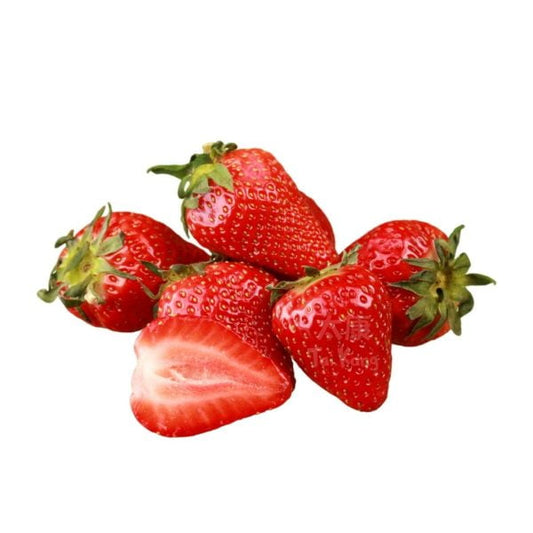
- Berries (strawberries, blueberries, raspberries, blackberries): thin skins, high water content and a short shelf life. Singapore’s Health Promotion Board notes on HealthHub that blackberries and raspberries bruise easily and should be stored in a single layer, and that berries do not stay fresh beyond a few days.
- Stone fruit (peaches, nectarines, plums): soft flesh that dents under light pressure.
- Pears and apples: sturdier, yet they bruise on impact, and the bruise shows up a day or two later as brown flesh.
- Grapes: plump berries that split and shed when stems are knocked.
A quick buying check from HealthHub: blueberries should be plump and brightly coloured with a whitish bloom, and if they do not move freely in the container they may be soft or damaged. That small shake test tells you a lot before you even open the lid.
Step 1: Inspect and sort before anything is packed
Good handling starts with removing the fruit that should never travel. The FAO’s guidance on packinghouse operations says produce should be pre-sorted to remove injured, decayed or otherwise defective items, and brushed or washed according to the commodity and the level of contamination.
This is where hand inspection earns its keep. A single rotting fruit in a box releases moisture and spores that reach its neighbours. Catching it at the sorting table protects everything else in the parcel.
The FAO also recommends gentle dumping methods for delicate produce, such as water-assisted flumes, to reduce the first mechanical impact. For a consumer-facing seller the lesson is the same: the fewer drops, tumbles and rough transfers a fruit endures, the better it arrives.
Food safety is part of the picture too. The Singapore Food Agency explains in its guidelines on handling raw fruits and vegetables that contamination of raw fruit can occur through agriculture, harvesting and post-harvest handling such as sorting and storage. Careful, clean handling at each stage matters for safety as well as appearance.
At Tai Kang Healthy Fruits, every product undergoes quality inspection, and our fruits are hand-inspected before they go out. For fragile fruit, this is the single most valuable step, because it is the only one that cannot be repaired later.
Step 2: Pack so the fruit cannot move or crush
Most transit damage comes from three forces: impact, vibration and compression. Packing is how you neutralise each one.
A sturdy outer box and padding
UPS Singapore’s guidance on shipping food calls for a sturdy corrugated box, padding that prevents movement, moulded trays for fruit that bruises easily, and sufficient ventilation. Each element has a job:
| Element | What it prevents |
|---|---|
| Corrugated outer box | Crushing from stacked parcels |
| Padding or dividers | Fruit sliding and knocking together |
| Moulded trays | Point pressure on soft fruit such as peaches and pears |
| Ventilation | Trapped moisture, heat and condensation |
Shallow beats deep
Deep containers load the bottom layers with the weight of everything above. A review of postharvest handling of berries notes that wide, shallow containers are preferred over deep ones for delicate fruit, to avoid compression damage to the lower layers. If you are packing a gift basket yourself, the principle holds: two shallow layers are kinder than one tall stack.

Let the fruit breathe
Fruit keeps respiring after harvest, so a sealed box turns warm and damp quickly. FAO packaging guidance for fruits, vegetables and root crops says holes in cartons should cover at least 5% of the total box surface to allow ventilation. Padding and ventilation have to work together: cushioning that blocks airflow trades one problem for another.
Our own write-ups on fruit delivery packaging to prevent bruising and how to avoid bruised fruit delivery go deeper on what to expect from a good parcel.
Step 3: Keep the cold chain unbroken in Singapore’s heat
Harvested fruit is still alive. Singapore Standard SS 668 Part 3, covering the cold chain for vegetables and fruits, states that maintaining the cold chain is important for freshness, shelf life, quality and safety, and that both temperature and relative humidity affect quality because harvested produce is respiring.
Two practical rules follow from that.
Cool early. A controlled atmosphere handbook explains that pre-cooling fruit as soon as possible after harvest removes field heat and is crucial to maximising postharvest life. The same handbook treats temperature management as the most important variable for transit life.
Do not rely on the last mile to fix it. Refrigerated containers are designed to hold a temperature, not to pull warm produce down. Fruit that starts warm stays warm longer, and in a humid city, every minute at ambient temperature counts.
That is why storage before dispatch matters so much. Our fruits are kept in temperature-controlled storage so they leave in good condition, a point we explain in why temperature-controlled storage determines fruit quality and in our piece on temperature-controlled delivery for Singapore gift buyers.
Humidity is the other half. Our guide to crisper humidity settings covers the 85 to 95% range that keeps fruit from drying out in the fridge.
Step 4: Handle it right the moment it arrives
The best-packed parcel can still be undone in the first hour at home. Do this on arrival:
- Open the box promptly and lift fruit out rather than tipping it.
- Check for damage. The SFA advises rejecting fruit that is bruised, damaged or mouldy, or that shows pest damage.
- Separate the soft from the firm. Keep berries and ripe stone fruit apart from sturdier fruit so nothing presses on them.
- Refrigerate. The SFA’s guidelines say raw fruit should be refrigerated below 5°C, and cut fruit should go below 5°C within two hours of peeling or cutting.
- Keep fruit away from raw meat, fish and poultry, on separate shelves or compartments, and use a separate compartment from vegetables.
Fruit-by-fruit notes
- Berries: keep them in their original packaging or a single layer. The Conversation reports that refrigerated berries last around 3 to 7 days and should be washed only before eating, since washing earlier may spread fungal spores.
- Stone fruit: HealthHub suggests choosing firm, non-wrinkled fruit and letting softer fruit ripen before it goes into the fridge.
- Passionfruit: a ripe one is plump, heavy for its size and wrinkled, according to HealthHub.
- Grapes: plump with a whitish bloom and healthy brown stems. Our guide to storing fresh grapes covers keeping them crisp.
For a wider overview, see our ultimate guide to storing fruits and how to store fresh fruits and keep them at their best.
Step 5: Wash and judge damaged fruit safely
The SFA advises washing fruit thoroughly under running water just before eating, cutting or cooking, not when you put it away. Our guide to washing fruit the right way walks through the method.
When a piece is damaged, the SFA’s advice is to cut away bruised or damaged areas and discard rotten fruit. Mould is the exception to be strict about: The Conversation notes that if one berry in a punnet has mould, the others may be affected too, because mycotoxins are invisible and can spread to adjacent food. Where a punnet has visible mould, throw the whole punnet away rather than picking out the good-looking berries.
A practical walk-through of removing bruised areas, washing and limiting contamination is laid out in this fresh food ordering workflow, which fits well alongside the SFA’s rules above.
If you are choosing fruit at a shop rather than receiving a delivery, our guide to avoiding bad fruit from the supermarket lists what to look for at the shelf.

What this means when you order fruit online
When fruit travels, each of the five steps above becomes someone else’s responsibility: the sorter, the packer, the cold store and the courier. The practical question is whether that chain was built around fragile produce. Three signs matter:
- Fruit is inspected by hand before it is packed, not just counted.
- It sits in controlled cold storage until dispatch, rather than on a warm dock.
- Delivery is a direct run to your door, so the fruit is not repeatedly handled.
These are the points we have built our service around, and they matter most for gifts, where a bruised peach in front of a client or a grandparent is a visible failure.
Our perspective
Fragile fruit is unforgiving. It cannot hide a bad decision made three steps earlier, so we put our effort at the start: every product goes through quality inspection, and our fruits are hand-inspected before they are packed.
We keep fruit in temperature-controlled storage because freshness and flavour depend on holding the cold chain, not repairing it afterwards. We deliver across Singapore so that the fruit you ordered is the fruit you open at home.
For us, careful handling is the product. A premium fruit is only premium if it arrives in the condition it was chosen in, and that is the standard we hold ourselves to for family orders, corporate gift boxes and subscriptions alike.
Tai Kang
Fragile fruit, delivered with care
If you would rather not manage the inspection, storage and transport of delicate fruit yourself, our online shop brings premium fresh fruit to your door anywhere in Singapore. Browse fresh fruit, fruit gift boxes, gift hampers and corporate gift boxes on the Tai Kang Healthy Fruits site, or set up a bi-weekly fruit delivery subscription for a regular supply. Larger orders qualify for free delivery, and our rewards program recognises repeat customers. Our customers have rated us 4.85 stars from 46 reviews.

For offices and events, our corporate fruit delivery and corporate gift boxes follow the same inspection and storage standards as every other order.
FAQ
Which fruits need the most careful handling?
Berries are among the most delicate, and peaches and apples are easily bruised, according to NC State’s postharvest guidance. Grapes, pears and other stone fruit also benefit from cushioned, shallow packing. The softer the flesh, the more important it is to avoid pressure and drops.
How long do berries last in the fridge?
Refrigerated berries last around 3 to 7 days, according to The Conversation, and HealthHub notes they do not stay fresh beyond a few days. Keep them in their original packaging or a single layer, and wash them just before eating. Eat them early in that window, or freeze them if you cannot.
What temperature should I store fresh fruit at in Singapore?
The SFA advises refrigerating raw fruit below 5°C, and cut fruit below 5°C within two hours of peeling or cutting. Store fruit in a compartment separate from vegetables and away from raw meat, fish and poultry. Our humidity guide explains how to set your crisper.
Is a bruised fruit still safe to eat?
The SFA advises rejecting bruised, damaged or mouldy fruit and cutting away bruised or damaged areas. Rotten fruit should be discarded. If there is mould on one berry in a punnet, treat the whole punnet as affected.
Why does fruit bruise more in transit?
Impact, vibration and compression all damage soft tissue, and the damage creates wounds where rot can begin. Rigid boxes, padding, moulded trays and shallow layers reduce all three. Warm temperatures speed up the decay that follows.
Sources
- Chapter 8. Harvesting and Handling Fresh Produce, NC State Extension
- Shopping for Fruits and Vegetables, HealthHub Singapore
- Section 3: Packinghouse operations, FAO
- Guidelines on Handling Raw Vegetables and Fruits, Singapore Food Agency
- How to Ship Food, UPS Singapore
- Packaging for fruits, vegetables and root crops, FAO
- Postharvest Handling of Berries
- SS 668 : Part 3 : 2020, Singapore Standards
- Controlled Atmosphere Handbook
- How to know when fruit and veg are still safe to eat, The Conversation