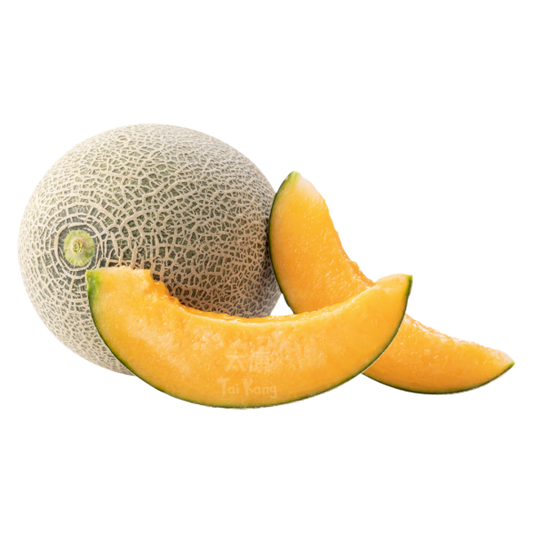

How to Store Cut Fruit Safely and Keep It Fresh
Cut fruit should go into the fridge, at 5°C or below, within two hours of peeling or slicing, in a clean airtight container. Eaten within two to three days, it stays safe and tastes good. Singapore’s food agency sets the two-hour rule, and the fruit you start with decides how much of that window you actually get. Fruit that has been inspected and kept cold until it reaches your kitchen is firmer, cleaner and slower to turn soft once cut. That is why we deliver whole fruit from temperature-controlled storage and leave the cutting to you, at the moment you need it.
TL;DR
- Refrigerate cut fruit below 5°C within two hours of cutting, and throw away anything left out longer, according to Singapore Food Agency (SFA) guidelines.
- Plan to finish cut fruit in 2 to 3 days. Melon is at the longer end of that range.
- Use clean, dry boards and knives, wash fruit under running water before cutting, and keep cut fruit in an airtight container away from raw meat and green vegetables.
- For parties, the SFA’s catered-function limit is 4 hours at room temperature, so cut late and serve on ice.
- Many fruit skins are edible after a thorough wash, and they add fibre.
Table of Contents
- Why cut fruit needs more care than whole fruit
- How to prepare and store cut fruit, step by step
- How long does cut fruit last in the fridge?
- Keeping cut fruit fresh and good-looking
- Cutting fruit for a party or office event
- Can you eat fruit skin? Which peels are edible?
- Order fruit that gives you the full window
- Our view: buy whole, cut late, chill fast
- FAQ
- Sources
Why cut fruit needs more care than whole fruit
A whole apple or banana has its own skin as a barrier and can sit on the counter. Once you cut it, the flesh is exposed to air, to your hands and to your knife. Bacteria grow fastest between 5°C and 60°C, which the SFA calls the Temperature Danger Zone. Singapore’s room temperature sits well inside that range all year, so cut fruit is in the danger zone the moment it leaves the fridge.
The SFA’s guidelines on handling raw vegetables and fruits give two numbers to remember. Refrigerate cut fruit below 5°C within two hours of peeling or cutting. Discard leftover cut produce that has been at room temperature for more than two hours. The SFA also says fridges and chillers should be kept at 4°C or below, so check your fridge setting before you rely on it.
The US guidance says the same thing in different units. The FDA advises a clean refrigerator at 40°F (4°C) or below. The CDC advises chilling cut, peeled or cooked produce within two hours.

How to prepare and store cut fruit, step by step
1. Start with fruit that is already cold and clean. Fruit that has been stored properly before it reaches you has more of its shelf life left. Our fruit is hand-inspected and kept in temperature-controlled storage before home delivery across Singapore. When it arrives, put what you will not eat that day into the fridge. Our guide to storing fresh fruits shows which fruits belong in the fridge and which can ripen on the counter first.
2. Wash your hands, then the fruit. The SFA says to wash hands before and after handling fresh produce, and to wash fruit under running water just before cutting. The Hong Kong Centre for Food Safety gives the same reason: washing under running tap water removes lingering dirt and reduces microorganisms that may be present. This matters even for fruit you will peel, because the knife drags whatever is on the skin into the flesh. Our fruit washing guide covers it fruit by fruit.
3. Use a clean, dry board and knife. The SFA recommends designated clean, dry chopping boards and utensils. Keep the fruit board separate from the one you use for raw meat or fish. A damp board or a knife that has just cut raw chicken is where most home contamination starts.
4. Cut away bruises and damaged spots. Bruised flesh spoils first and spreads quickly through a container. Trim it off before the fruit goes in.
5. Pack into an airtight container. The Hong Kong CFS advises airtight containers or tight plastic wrap for cut fruit, refrigerated immediately at 4°C or below. It also suggests a use-by label. A strip of tape with the date takes five seconds and saves guessing on day three.

6. Put it on the right shelf. The SFA says to keep raw fruit above raw meat, fish and poultry. It also says to keep fruit in a separate compartment from green vegetables, because fruit can turn them yellow as it ripens. NUHS lists fruit and vegetables sharing a compartment as a common storage mistake.
7. Do not leave it out while you eat. If you are serving a bowl at the table, bring out a portion and keep the rest in the fridge. The two-hour clock runs from cutting, not from when you sit down.
How long does cut fruit last in the fridge?
The answer depends on the fruit and on how fast you chilled it. These are the published ranges.
| Source | Cut fruit in the fridge | Notes |
|---|---|---|
| NUHS, Singapore | 2 to 3 days | Cut or sliced fruit |
| University of Maine Cooperative Extension | 3 to 4 days | Covered containers, chilled within two hours; cut melon also 3 to 4 days |
| Hong Kong CFS | 1 to 2 days | Pre-cut fruit that was at room temperature under 2 hours |
The safest planning figure is the shortest one that applies to you. For a Singapore household, use two days as your comfortable target and three as the outer limit. A fruit salad with a mix of soft fruit such as papaya or mango will feel tired sooner than cubed melon or apple, even when it is still within the safe window.
Throw cut fruit away when it smells fermented or sour, turns slimy, or shows mould. Also throw it away if you cannot say how long it sat out. When in doubt about timing, the two-hour rule above is the one to apply.
Keeping cut fruit fresh and good-looking
Safety and quality are different problems. Fruit can be safe and still look sad. A few habits help.
Cut as late as you can. Whole fruit keeps far longer than cut fruit. Our fruit shelf life guide shows how wide the gap is between fruits, so you can keep the long-lasting ones whole and cut only what you will use in the next day or two.
Pat the pieces dry. Surface water speeds up softening in the container. Washing happens before cutting, then you dry the cut pieces lightly before they go in.
Add something acidic to browning fruit. Apples, pears and bananas brown when the flesh meets air. A light toss in lemon juice slows this. One of the pages Google ranks for this search suggests a brief soak in lightly salted cold water, then drying, before refrigerating. Either way, the container still goes into the fridge within two hours.
Keep strong-smelling fruit on its own. Airtight containers stop cut fruit from picking up the smell of onions or leftovers, and stop it drying out.
Do not mix the whole and the cut. Berries and grapes are best kept whole and unwashed until you eat them. Wash only the amount you will use.
Firm, well-handled fruit also copes better with all of this. Fruit that arrived bruised gives you soft patches to trim and less usable flesh. That is why we pay attention to packing and handling, and why our pages on avoiding bruised fruit in delivery and special handling for fragile fruits explain what happens between our storage and your table.
Cutting fruit for a party or office event
Events change the maths, because food sits out. Singapore’s SFA guidelines for catered functions say no food should stay at room temperature for more than 4 hours from preparation to consumption. Cold food should travel in cooler boxes below 5°C, and cold food on display should be kept chilled on ice. A consume-by label should not be later than 4 hours from when the food was ready to eat.
Other regulators draw the line in similar places. Australia’s NSW Food Authority says to use fresh cut fruit on the day it is prepared: up to 2 hours at room temperature, eat it or chill it, between 2 and 4 hours, eat it, and past 4 hours, discard. The Hong Kong CFS adds that fruit held 2 to 4 hours should be used within that limit and not put back in the fridge.
In practice, for a home party or a meeting:
- Cut on the day, as close to serving as you can. The day before is too early for a party platter.
- Chill the platter until the guests arrive. Cover it and keep it below 5°C.
- Serve in small batches on a bowl set over ice, and refill from the fridge.
- Write the cut time on the container, so anyone can see when the 2-hour and 4-hour marks pass.
- Discard what has been out too long, even if the bowl looks full. Do not top up an old bowl with fresh fruit.
If you are planning the food side of a larger gathering, these holiday meal prep tips are useful for working out what to prepare ahead and what to leave until the last hour. For fruit specifically, our event fruit delivery planning guide walks through quantities and timing for Singapore events.
For offices that stock fruit for staff, whole fruit is the easiest option to manage. It does not carry a two-hour clock, and people cut or peel what they want. That is what our corporate fruit delivery is built around.
Can you eat fruit skin? Which peels are edible?
Often, yes. The Hong Kong CFS says that after thorough washing, you can generally eat fruit skin where possible, as a source of dietary fibre. It makes two exceptions: when travelling abroad, it is safer to peel raw fruit, and fresh date palm fruit should be peeled before eating.
Peels are not just fibre. An academic review of five fruits found that the peels of blueberries, grapes, guava and kumquat carry higher concentrations of antioxidants such as anthocyanins, tannins and catechins than their flesh. The same review notes that peel fibre may help lower LDL cholesterol, and it advises washing fruit thoroughly before eating.
A practical guide for Singapore kitchens:
- Usually eaten with the skin: apples, pears, grapes, plums, peaches, nectarines, kiwi (the fuzzy skin is a matter of taste), guava, berries and kumquats.
- Usually peeled: bananas, oranges, pomelos, mangoes, pineapples, durian, rambutan and lychee. Their skins are tough, bitter or not meant to be eaten.
- Wash first either way. Rinse under running water and rub the surface, then dry.
If you add a lot of peel fibre suddenly, expect your stomach to adjust over a few days. Build up gradually, particularly for children.
Cutting a fruit with its skin on also changes storage. Slices with skin, such as apple wedges or pear halves, hold their shape and colour a little better in the fridge than peeled pieces.
Order fruit that gives you the full window
Every recommendation above assumes you are starting with good fruit. Our fruit is hand-inspected and kept in temperature-controlled storage, and we deliver it to homes and offices across Singapore. The temperature-controlled storage page explains why storage temperature affects the quality you eat later.
If you want fruit at home on a regular schedule, our bi-weekly fruit delivery plan runs as a two-month subscription. For gifts and offices, browse our premium fruits, gift boxes and corporate options. We offer free delivery for larger orders and a rewards program for repeat customers.

We also stock select vegetables, snacks and drinks, so one order can cover the fruit bowl and the rest of the week.
Our view: buy whole, cut late, chill fast
Our approach to cut fruit starts well before the knife. Fruit that has been hand-inspected and kept cold carries less risk and holds its flavor longer once you slice it. That is why we inspect every order and store it in temperature-controlled conditions before it goes out for delivery.
We suggest households keep fruit whole and cut only what they will eat within a day or two. It is the easiest way to stay inside the two-hour and two-to-three-day guidance from Singapore’s food authorities, and it keeps each piece tasting like itself.
For families, a bowl of whole fruit on the counter and a covered container of cut fruit in the fridge is a routine that works for children and busy weeknights. For companies and event planners, whole fruit baskets and gift boxes take away the clock that pre-cut platters carry.
Tai Kang
FAQ
Does cut fruit need to be refrigerated?
Yes. The SFA says to refrigerate cut fruit below 5°C within two hours of peeling or cutting. In a Singapore kitchen, that means putting it into the fridge almost straight away rather than leaving it on the counter while you eat.
How early can I cut fruit for a party?
Cut it on the day, as close to serving as practical, and keep it chilled until guests arrive. The SFA’s limit for catered functions is 4 hours at room temperature from preparation to consumption, with cold food served on ice. Fruit that has been out longer than that should be thrown away.
Can I keep cut fruit overnight?
Yes, if it went into a clean airtight container in the fridge within two hours of cutting. Singapore’s NUHS gives cut fruit 2 to 3 days in the fridge, so overnight is well within the range. Label the container with the date.
Should I store cut fruit with vegetables?
No. The SFA advises separate compartments for fruit and green vegetables, because ripening fruit can turn greens yellow. NUHS also lists sharing a compartment as a common storage mistake. Keep raw meat on a lower shelf than fruit.
Is it safe to eat fruit skin?
For most edible-skinned fruit such as apples, pears and grapes, yes, after a thorough wash under running water. The Hong Kong CFS notes that fresh date palm fruit should be peeled, and that peeling raw fruit is safer when travelling abroad.
Sources
- SFA: Guidelines on Handling Raw Vegetables and Fruits
- SFA: Food Safety Tips
- SFA: Guidelines for Ordering Catered Meals for Functions and Events
- NUHS: Leftover Food infographic
- FDA: Selecting and Serving Produce Safely
- CDC: Fruit and Vegetable Infographic
- University of Maine Cooperative Extension: Storing and Washing Fresh Fruits and Vegetables
- Hong Kong CFS: Safe Preparation of Pre-Cut Fruits and Fruit Juices
- Hong Kong CFS: Food Safety Tips on Fruits and Fruit Products
- NSW Food Authority: Fresh cut fruit and vegetables
- Waste-to-wealth: nutritional potential of five selected fruit peels